

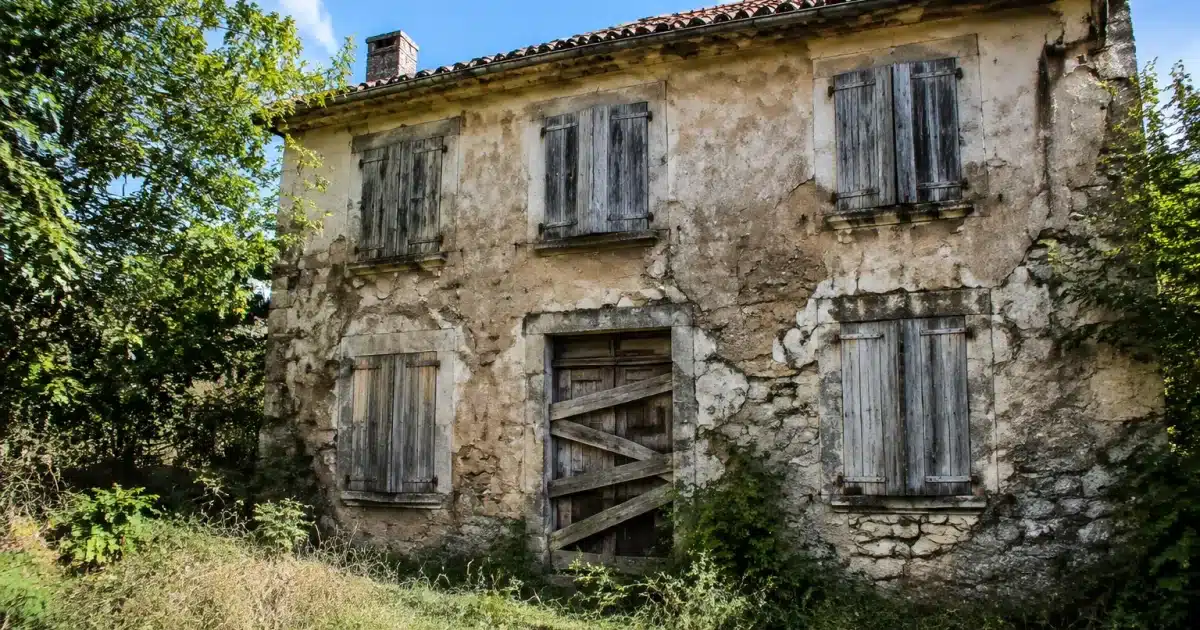
A water leak that drips through an empty house for weeks, nobody there to notice it, and eventually the insurer refuses to pay out. It’s a nightmare scenario many UK heirs face when inheriting a property left vacant after a death. And the risk is very real: a standard home insurance policy was never designed to protect an unoccupied property over an extended period.
The reason is straightforward. An occupied home has natural surveillance: someone notices a leak, a suspicious smell, a broken window. Once a house stands empty, that safety net disappears, and the insurer sees the risk of serious damage—undetected fire, subsidence, flooding—as significantly higher. That’s why most standard policies sharply limit their cover if a property remains unoccupied beyond roughly 30 to 60 consecutive days.
Why standard home insurance often fails an empty house after death
When a parent dies and their house sits empty whilst the estate is settled, the existing policy technically continues. But beneficiaries often discover too late that certain protections become worthless once the property has been vacant for a certain period.
The unoccupancy exclusion clause
Most home insurance policies include an unoccupancy clause that limits or excludes cover if a property remains continuously uninhabited beyond a stated period—typically 30 to 60 days, with 30 to 45 days very common. After that threshold, a claim for water damage, fire, theft, or subsidence may result in a reduced payout or outright rejection. The insurer will argue that the absence of regular occupation materially increases the risk and should have been declared.
You must notify your insurer of the change
This is often overlooked: you have a legal duty to tell your insurer about any change in circumstances that affects the risk, and an empty property certainly counts. If you fail to declare that the house is now unoccupied, the insurer can refuse to settle a claim—even if premiums were paid on time—citing non-disclosure or misrepresentation. This simple step is frequently forgotten in the immediate aftermath of a death.
A common scenario
A pipe bursts in a vacant house three months after death. The damage is only discovered weeks later. The insurer refuses to pay, citing your failure to declare the unoccupancy and the extended vacancy period. This is why notifying your insurer immediately—and switching to specialist cover—saves significant trouble later.
The real risks facing an empty, unmonitored property
An empty house attracts more than just damp and deterioration. It becomes an obvious target for break-ins, with no lights on, no comings and goings, no signs of occupation. Frozen pipes can burst in winter, a damaged roof can leak undetected for months, and an electrical fault can cause a fire that spreads before anyone knows. Subsidence can crack foundations, and windows left unsecured invite vandalism.
Beyond damage to the property itself, the legal liability of the homeowner or heirs can be triggered if the building causes harm to third parties—a roof tile falling on a passer-by, a burst pipe flooding a neighbour’s home. This aspect of cover is often overlooked, yet it is essential protection to verify.
Adapting your insurance during probate
Declare the vacancy and adjust cover
Your first step is to contact your insurer and inform them the property is now unoccupied and for how long. Declaring the vacancy allows the insurer to adapt the policy, sometimes adding conditions such as regular inspections or requiring you to turn off water and electricity. It also protects you: the policy then remains valid in full, with no risk of a claim denial based on a hidden exclusion.
Switch to specialist empty property insurance if needed
If the vacancy will be prolonged—more than a few months, for instance—it often makes sense to cancel the standard policy and take out specialist empty property insurance instead. This type of policy is specifically designed for unoccupied homes and covers the real risks: fire, water damage, theft, vandalism, and natural disasters. The premium is usually higher than a standard policy, but the protection is far more reliable when a claim arises.
| Situation | Recommended cover |
|---|---|
| Vacancy under 60 days | Standard policy with unoccupancy notice given to insurer |
| Vacancy over 60 days | Specialist empty property or probate house insurance |
| Flat in a building | Check Buildings Insurance + liability cover; verify Lease terms |
Specific obligations depending on property type
An empty detached house and a flat in a block have different exposure. In a flat, the Lease often requires you to maintain buildings insurance at a minimum, because damage to your flat can affect shared areas or neighbouring homes. The managing agent or freeholder may demand proof of current cover even whilst the estate is being administered.
For a detached house, the main risk remains slow detection of a major problem. It is wise to arrange regular inspections, turn off water if the property will be empty for months, and confirm that cover includes theft and break-in—particularly important for properties that are obviously unoccupied.
Who pays the home insurance during probate
Whilst the estate is being settled, the policy taken out by the deceased usually remains in force, and the estate itself must pay the premiums (from available funds or an advance by beneficiaries), just as it would pay other ongoing bills. Beneficiaries may also choose to cancel the old policy and take out new cover better suited to the vacancy, especially if the premium or coverage no longer fits the property’s actual needs.
In all cases, never let the policy lapse without a replacement in place. A house with no insurance, even briefly, leaves beneficiaries personally liable for the full cost of any damage—potentially tens of thousands of pounds—with no recovery possible. This can far exceed the cost of a few months of specialist empty property cover.