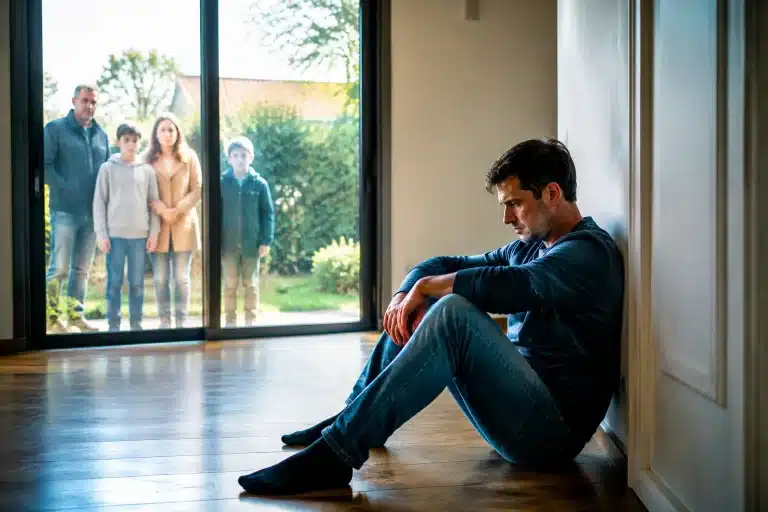

A relative has died and their home needs to be cleared. Before moving a single box, before shifting furniture or throwing away old papers, there is one simple habit that prevents family conflict and legal trouble: take photographs. This is not about sentiment – it is about evidence.
These images will serve as a visual inventory of the estate, as documentation for the executor and probate court, and sometimes as protection against accusations of mishandling or premature disposal of assets. Here are the 7 essential photos to take before any clearance begins.
Why photograph before touching anything?
In matters of probate and inheritance, every action counts. Clearing a home too quickly, without leaving a record, exposes executors and beneficiaries to real risks: disputes between co-beneficiaries, suspicion of concealment of valuable items, or worse, actions that could be interpreted as acceptance of the estate when renunciation was being considered. Photographing first locks down an indisputable record.
This habit also provides emotional protection. A death is often followed by sorting done in haste, under grief, which explains why clearance decisions taken too quickly can create lasting family tensions. Having photographs allows decisions to be revisited later, lets absent beneficiaries see what was in the property, and preserves a memory of the space as it was.
Photo 1: Wide shot of every room
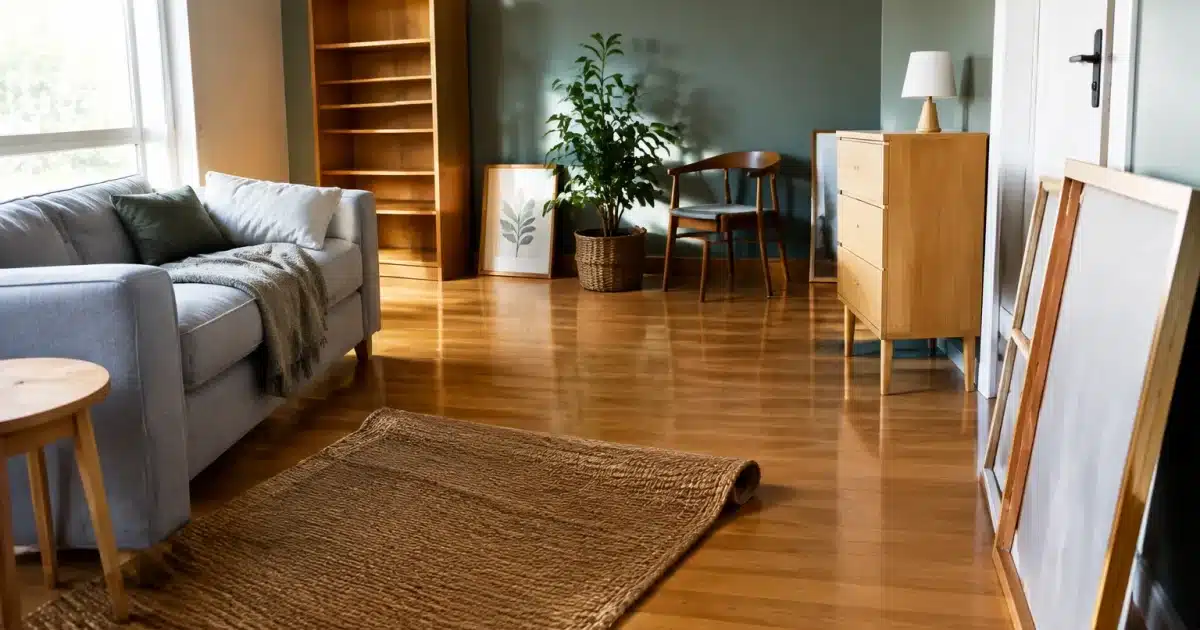
Before moving a single piece of furniture, photograph each room in its entirety from multiple angles. This overview forms the foundation of the estate inventory and serves as reference if disagreement arises between beneficiaries over the initial layout or what was genuinely in the home.
This photo is also the one most often shown to the executor or to HMRC during estate valuation, as it provides an accurate picture of the moveable property before any sorting.
Photo 2: Documents and administrative papers
Drawers, filing cabinets, shoeboxes stuffed with old statements: administrative documents often lie in chaotic piles. Photograph them before handling, especially if they contain bank details, life insurance contracts, title deeds or solicitors’ letters. Some papers, even crumpled, may be crucial for establishing the deceased’s debts and assets.
This habit prevents an essential document disappearing into a bin bag without anyone noticing.
Photo 3: Furniture and valuable items
Antique furniture, jewellery, paintings, silver: anything with potential financial or sentimental value should be photographed individually, with clear angles. If the estate is split between multiple beneficiaries, these photos will form the basis for valuation or to justify a professional appraisal to HMRC or insurance purposes.
This is also the best protection against suspicion of misappropriation – the concern that an executor or beneficiary may have concealed an asset for personal gain before distribution.
Photo 4: Personal effects and family mementos
Photograph albums, letters and objects with no great market value but charged with family history deserve photographing before sorting. They may not feature in estate valuation calculations, but their premature removal can create lasting tension between beneficiaries.
Keeping a visual record of these items allows them to be shared and distributed fairly later, or discussed remotely with family members who were absent during clearance.
Photo 5: Meters, equipment and installations
If the property is to be sold, let or handed to third parties, meter readings (water, gas, electricity) at the time of handover are essential. Also photograph fixed installations: boiler, electrical panel, systems that might raise questions during a future inventory or property sale.
The costly mistake: acting before probate is granted
Selling, throwing away or moving significant items before the estate is formally settled can be treated as acceptance of the estate, even without intent. Only certain preserving acts – paying an urgent bill, maintaining the property – are permitted without risk before final settlement. Always consult the executor or solicitor first.
Photo 6: Storage areas (cellar, attic, garage)
These spaces are often overlooked during clearance, yet they frequently hide valuable items forgotten for years, or conversely, piles of things fit only for the tip. Photograph each storage area before touching it, as these are the places where long-lost papers and items complicating the inventory turn up most often.
If some items need to be kept temporarily, storage in a facility while the estate settles avoids irreversible decisions made too hastily.
Photo 7: Defects or deterioration in the property
Cracks, damp marks, outdated installations: these defects should be photographed before any clearance or work. They serve as evidence in disputes with future buyers, tenants or insurers, and prevent deterioration arising after the executor took charge being wrongly attributed to them.
How to organise and keep these photos
Once all 7 series of photos are taken, file them by room and category in a dated folder, ideally shared with all beneficiaries. Some solicitors or executors request these for the probate inventory, especially when the estate includes hard-to-value items or contested objects.
Keep a copy on an external drive or in cloud storage, separate from the phone used to take them. If disagreement arises later about clearance or distribution, these images remain the only reliable record of the property’s original state – far stronger than memory alone.