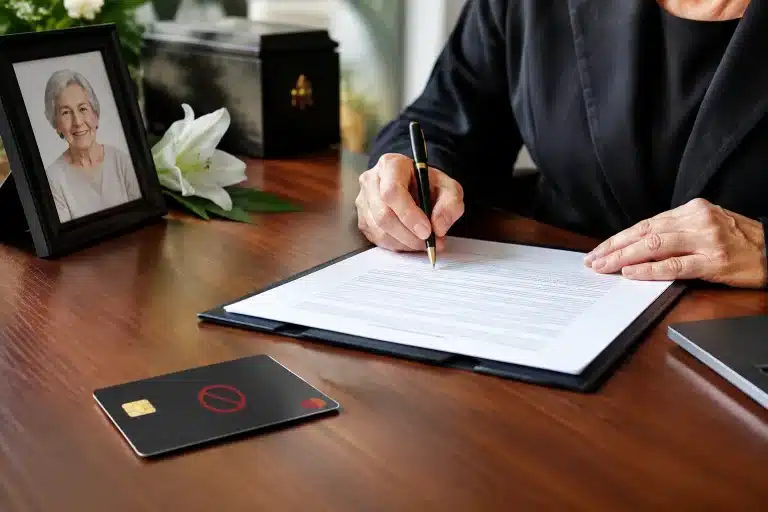

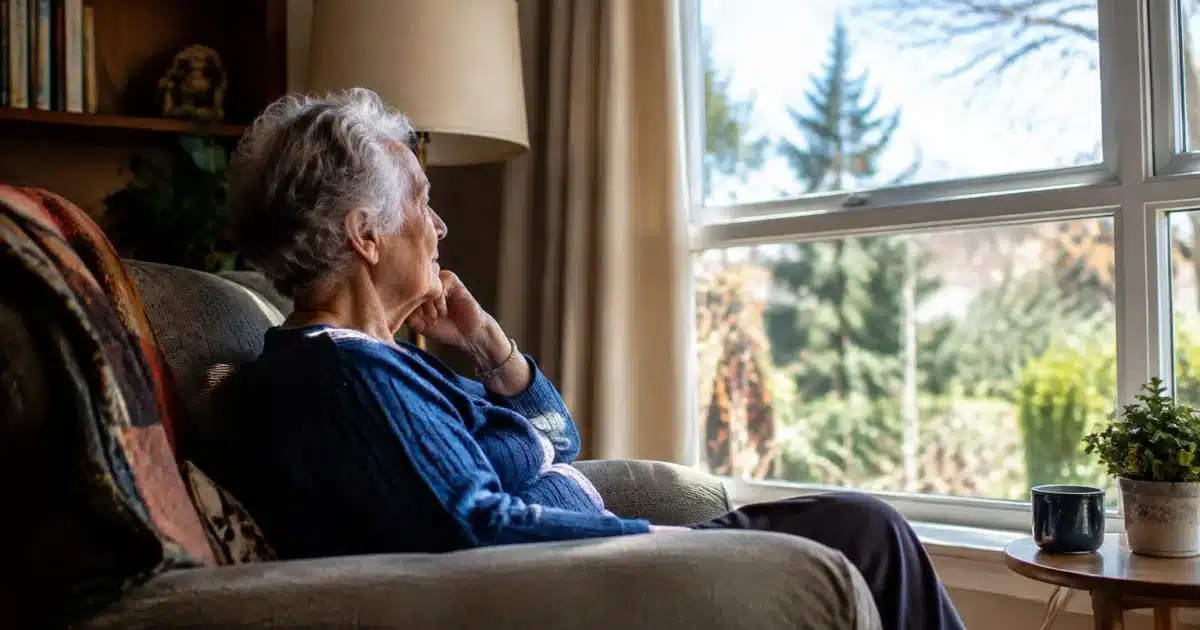
A death upsets everything, and the question of the family home often becomes urgent. Many adult children assume they can ask a surviving spouse to leave quickly, particularly in blended families. The law in England and Wales, Scotland, and Northern Ireland tells a different story.
Upon death, a surviving spouse’s rights to the family home depend entirely on how the property was owned, whether there is a will, and which part of the UK applies. Unlike some jurisdictions, there is no automatic nationwide right to remain in the family home simply by virtue of marriage. What the surviving spouse can claim depends on ownership, the will, intestacy rules, and sometimes a claim under the Inheritance (Provision for Family and Dependants) Act 1975.
How property passes to a surviving spouse in England and Wales
Joint ownership: automatic transfer by right of survivorship
If the family home was owned as joint tenants, the deceased’s share passes automatically to the surviving spouse outside the estate through right of survivorship. In this case, the survivor becomes sole owner immediately, and the property does not form part of the probate process.
Tenants in common: the property enters the estate
If the home was owned as tenants in common, the deceased’s share falls into the estate and is distributed under the will or intestacy rules. The surviving spouse has no automatic claim to occupy the property unless the will grants it, or unless they can make a successful claim under the 1975 Act.
Intestacy: what the surviving spouse receives
When there is no will, the intestacy rules for England and Wales apply. HM Revenue & Customs guidance confirms that the surviving spouse or civil partner receives personal chattels (moveable property), a statutory legacy, and an absolute interest in half of the residue if the deceased leaves children. If there are no children, the spouse or civil partner may take the whole estate. Importantly, on intestacy, a surviving spouse or civil partner has a right to acquire the residence occupied at death as part of their benefit, though this must be exercised within the intestacy framework.
Claims under the 1975 Act for reasonable financial provision
A surviving spouse can make a claim under the Inheritance (Provision for Family and Dependants) Act 1975 for reasonable financial provision if the will or intestacy does not make adequate provision. Such a claim can, in some cases, result in a property transfer or an occupation arrangement, but it is not automatic—it requires court proceedings and must be brought within six months of the grant of probate.
Married couples, civil partners, and cohabitants: who has rights?
The protections described above apply only to married spouses and civil partners. Unmarried cohabitants, no matter how long they lived together, have no automatic inheritance rights under English and Welsh law. They may, however, make a claim under the 1975 Act if they can prove they were dependants of the deceased, but this requires court action and is not guaranteed.
Blended families and shared ownership: indivision and conflict
Conflict often arises in blended families. When the deceased had children from a previous relationship, these adult children may find themselves in joint ownership with the surviving spouse on the family home. If the home was owned as tenants in common, both the surviving spouse and the children hold shares in the property simultaneously. The surviving spouse has no absolute right to remain, and the children cannot force a sale without court involvement, creating a complex situation where occupation rights and ownership are contested.
Imagine a man in a second marriage, with two adult children from a previous relationship. At his death, if the house was owned as tenants in common with his current wife, both the wife and the children become co-owners. The wife may have inheritance claims under intestacy or the 1975 Act, but she has no automatic right to occupy the property rent-free. The children may wish to sell or live in the home themselves. This legal ambiguity explains much of the tension observed in blended families after a death.
Essential step before conflict arises: consulting a solicitor or conveyancer to understand the legal ownership of the property—whether it is held as joint tenants or tenants in common, and what share each party holds—can clarify everyone’s position and prevent misunderstandings about who has the right to remain.
The role of wills and life interests
A will can grant a surviving spouse a life interest (or usufruct equivalent) in the family home, allowing them to occupy it for life while the capital ultimately passes to the children. This must be expressly stated in the will. A life interest is a form of ownership that allows use and occupation but transfers the property to beneficiaries upon the spouse’s death. Such arrangements must respect the rights of children and creditors, and disputes over life interests often end up in court.
Without a will, no such arrangement exists, and the intestacy rules apply strictly. In second marriages with children, solicitors often recommend documenting wishes in a will to avoid costly disputes later.
Rented properties: the tenancy passes to the spouse
If the couple were tenants rather than owners, the tenancy itself may pass to the surviving spouse, depending on the tenancy agreement and local law. In most cases, a surviving spouse can claim the tenancy if the property was the family home. This is an important distinction: a rented home provides less security of occupation than owned property, as the landlord’s rights still apply and the tenancy may be brought to an end under the lease terms.
How to protect a surviving spouse during lifetime
Several tools exist to secure a surviving spouse’s position before death. A will can provide explicitly for the spouse to occupy the home, either for life or for a defined period, subject to the statutory rights of children. A property settlement can be created during marriage, transferring the home into trust for the benefit of both spouses and children, clarifying rights in advance.
In blended families especially, consulting a solicitor before death is invaluable. It allows the deceased to clarify their wishes, ensure the surviving spouse is provided for, and give children clarity about their inheritance. Without such planning, the family home becomes a point of conflict rather than security.
The bottom line is this: the UK offers no blanket protection for a surviving spouse’s right to remain in the family home simply by virtue of marriage. Protection depends on ownership, a valid will, the intestacy rules, or a successful claim under the 1975 Act. In blended families and shared ownership, explicit legal planning is essential to avoid dispute.