

A recurring charge of £12 a month doesn’t jump out at you. Multiply that by five years and you’re looking at £720 spent on a service nobody uses anymore. This is exactly the kind of silent money leak that builds up on many elderly parents’ bank accounts, often without either them or their family realising what’s happening.
The good news is that a careful look at your bank statements is usually enough to spot these phantom expenses. Here are seven categories of recurring charges that deserve priority checking, before you dig any deeper.
The 7 recurring charges to prioritise checking on an elderly parent’s account
1. Duplicate or no-longer-needed insurance
This is the classic number one culprit. Buildings insurance taken out with two different providers, accidental death cover that duplicates a funeral plan, or payment protection insurance that keeps running long after the loan was repaid. A duplicate insurance policy can cost several hundred pounds a year without providing any extra protection whatsoever.
2. Unused TV, news and streaming subscriptions
A TV package subscribed to ten years ago, a monthly magazine nobody reads anymore, a streaming service activated by mistake during a cold call. These forgotten subscriptions slip past easily because the individual amounts stay modest.
3. Overlapping health insurance policies
It’s not uncommon for an elderly parent to keep an old health insurance policy whilst also paying for a new one, sometimes arranged through a child or via an insurance broker. Two monthly premiums for exactly the same cover adds up to nearly £100 wasted each month.
4. Paid-for bank services (cards, packages)
Charges linked to a premium bank card, a multi-service package or card payment protection deserve close attention. Many banks offer cheaper accounts for older customers, but it takes effort to switch. It’s also worth checking what changes might be coming from any upcoming regulatory reforms that could affect fee structures.
5. Memberships to forgotten clubs or associations
A leisure club, sports group, or professional union from a working life now over: annual membership fees that renew automatically often go unnoticed, especially if the payment only comes once a year.
6. Regular charitable donations
The impulse to give is admirable, but an elderly parent may end up donating to several charities each month without remembering, sometimes pushed by persistent phone or mail appeals. A review of these commitments helps refocus giving on causes that truly matter.
7. Suspicious or fraudulent charges
This is the most serious concern. A suspicious charge with a vague description, amounts that vary slightly month-to-month to avoid attention, or an unknown service billed from abroad are red flags for bank fraud. Older people remain a prime target for financial scams, particularly through cold calling or fake organisations.
How to spot these charges in your bank statements
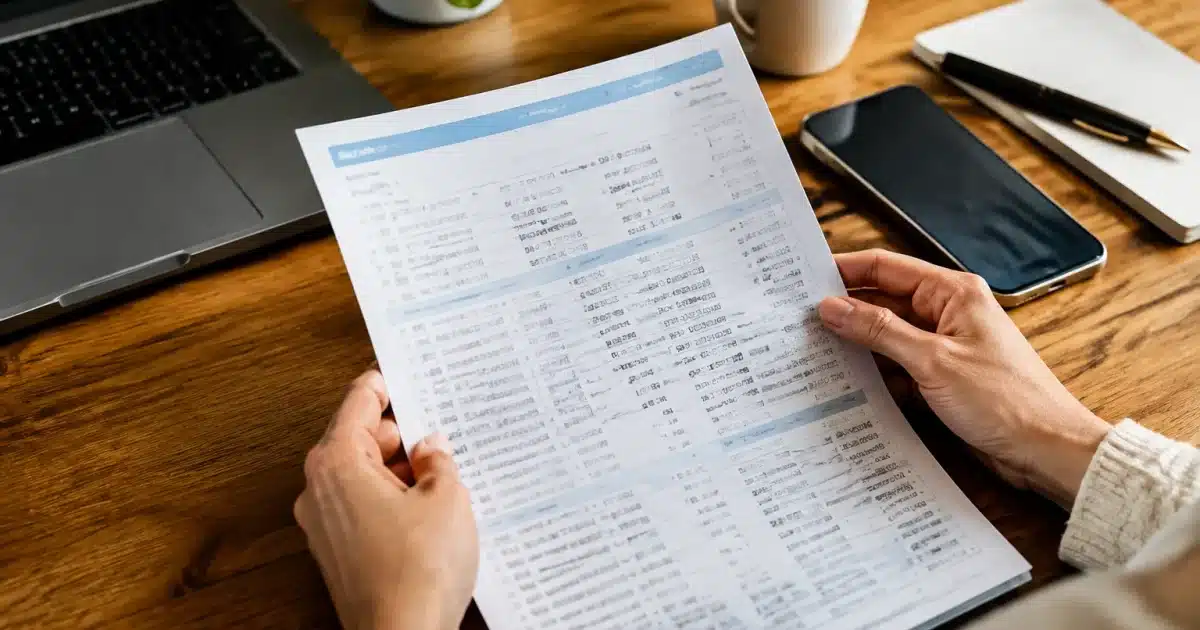
The most reliable method is to pull out the transaction history for the last twelve months, available via online banking or by requesting it from your branch. The idea is to list every recurring charge with its amount and who it’s paid to, then check line by line whether your parent still knows what each payment is for.
A simple table helps make sense of it quickly.
| Payment description | Frequency | Typical amount | What to check |
|---|---|---|---|
| Insurance / health cover | Monthly | £15 to £80 | Duplication with another policy |
| Media subscription | Monthly | £5 to £20 | Actual use |
| Bank service | Monthly or annual | £2 to £15 | Whether the option is really needed |
| Donation or membership | Monthly or annual | £5 to £30 | Whether reconduction was agreed |
This cross-check of the bank account works best done with your parent themselves if they’re able to take part, or with the designated family carer or holder of power of attorney.
The mistake to avoid: relying only on the account balance
An account that stays stable month to month doesn’t mean there’s no money leak. Small regular charges go unnoticed until you sit down and compare each payment description across several months.
How to stop an unwanted or unnecessary charge
Once you’ve identified a charge as unwanted, you have two options. The first is to cancel the contract or subscription directly with the organisation, which is the cleanest solution since it stops the charge at source. The second, faster in an emergency or if you suspect the charge isn’t legitimate, is to contact your bank and ask them to stop the payment.
For a recurring card payment or continuous payment authority (CPA), your bank can block a specific payment on your request, usually without charge. If a suspicious charge has already been taken, you can ask for a refund within eight weeks of the payment, or up to thirteen months if you never authorised the mandate in the first place. You should file a fraud report as soon as you suspect any fraudulent activity.
Set up regular checks to prevent future problems
An annual financial review, done calmly at a set time each year, stops the situation getting out of hand again. This means listing all active paid services, contracts and subscriptions with their renewal dates, so you can cancel before automatic renewal happens.
For a family carer supporting an elderly parent with money management, this regular check of the bank statement quickly becomes a simple habit, something to do during each quarterly visit perhaps. It’s often the only way to catch a long-forgotten subscription or spot a suspicious payment pattern starting to develop.